6 Steps to Restaurant Yelp Review Removal, and When to Use a Lawyer
6 Steps to Restaurant Yelp Review Removal, and When to Use a Lawyer ! Decorative title card for Yelp review removal You cannot delete a Yelp review yourself, and Yelp only removes one for a clear policy violation, not because it's unfair or hurts business.
6 Steps to Restaurant Yelp Review Removal, and When to Use a Lawyer
You cannot delete a Yelp review yourself, and Yelp only removes one for a clear policy violation, not because it’s unfair or hurts business. If the review matches a specific violation, report it with evidence. If it doesn’t, respond publicly and move on. Escalate to attorney-led removal only when you’re dealing with defamation, doxxing, or a bad-faith pattern Yelp has already refused to touch.
TL;DR:
- Yelp only removes reviews for specific policy violations, such as conflicts of interest, harassment, or copied content, and not for unfair or negative feedback.
- Gathering concrete evidence like receipts or logs is essential before reporting a review to increase the chances of successful removal.
- Responding publicly and factually to bad reviews, avoiding arguments, can help protect your reputation while building trust with future customers.
- Attorney-led removal processes are only appropriate for reviews involving defamation, threats, or fake patterns that standard reporting has failed to resolve.
- Maintaining an accurate, updated Yelp listing and monitoring reviews proactively helps prevent and mitigate the impact of harmful reviews.
Table of Contents
- What Yelp Will and Won’t Remove From Your Restaurant’s Page
- How Do You Report a Yelp Review for Removal?
- How Should You Respond to a Bad Yelp Review?
- When Should You Escalate to Attorney-Led Removal?
- How Can You Prevent Future Harmful Yelp Reviews?
- Why Most Owners Get the Escalation Decision Wrong
- Get Restaurant Yelp Reviews Removed Without the Legal Guesswork
- Sources
- FAQ
What Yelp Will and Won’t Remove From Your Restaurant’s Page
Yelp’s User Operations team checks reported content against its Content Guidelines, and it won’t remove a review just because you disagree with it or think it’s unfair. Yelp states plainly that businesses can’t manipulate or delete reviews directly; removal happens only when a moderator confirms a real violation.
The actual grounds for removal are narrower than most owners assume. Yelp’s own policy lists these as reportable:
- Conflicts of interest (a competitor, ex-employee, or someone with a personal grudge posting a review)
- Content that isn’t a firsthand customer experience
- Harassment, hate speech, or private personal information exposed in the review
- Plagiarized content or a review clearly copied from elsewhere
- A review posted to the wrong business listing entirely
Separate from removal, Yelp runs an automated filtering system. A review marked “not recommended” doesn’t disappear. It’s still accessible through a link on the page, but it no longer counts toward your star rating. A lot of owners see a rating jump and assume a review got deleted when it actually just got filtered. Know the difference before you file a report expecting the wrong outcome. And don’t expect a factual disagreement, even a genuinely wrong one, to move a moderator without hard evidence behind it.
How Do You Report a Yelp Review for Removal?
A report with vague language (“this is fake, please remove it”) gets denied more often than one built around specific, linked evidence. Here’s the sequence that actually gives you a shot:
- Pull your evidence first. Dated receipts, POS records, reservation logs, staff schedules, and timestamped surveillance footage all work. If the reviewer claims they ate there on a night your restaurant was closed, a calendar screenshot settles it.
- Match the evidence to a specific violation. Don’t just say something feels off. Show that the reviewer wasn’t a customer, has a documented conflict, or violated a named guideline.
- File through Yelp’s reporting flow on the review itself, using short, factual language. State the violation, cite the guideline it breaks, and attach your evidence.
- Save every confirmation email Yelp sends. You’ll need the timestamp and reference number if you have to follow up.
- Expect a wait. Yelp doesn’t publish a fixed turnaround time, and moderation queues shift depending on volume.
- If denied, don’t resubmit the same packet. A repeated appeal without new material rarely changes a moderator’s mind. Build a stronger case with fresh documentation before trying again.
Pro Tip: A single tightly linked piece of evidence, like a receipt that contradicts the reviewer’s timeline, carries more weight than five paragraphs of general protest. Moderators respond to specifics, not outrage.
How Should You Respond to a Bad Yelp Review?
Yelp’s own guidance to business owners is to reply publicly, calmly, and factually rather than argue in the comments. A good reply follows a simple structure: acknowledge the experience, correct the facts without getting defensive, offer a real remedy, and invite the person to continue the conversation offline.
A few restaurant-specific situations come up constantly:
- Wrong order: “We’re sorry your order came out wrong. We’ve flagged this with our kitchen team. Please email us at [contact] so we can make it right.”
- Slow service complaint: “Thanks for the detailed feedback. We were short-staffed that Friday and are actively hiring. We’d like to invite you back.”
- Health or safety allegation: Respond briefly, note that you take the claim seriously, and move the specifics offline immediately. Never litigate a health claim in public comments.
- False identity claim (“I’ve never even eaten here”): State the facts plainly and note you’re reviewing your records, without accusing the reviewer outright.
Taking a dispute offline early protects you two ways: it keeps the public thread short and professional, and it shows future readers you handle problems directly instead of arguing online. For deeper reply frameworks by scenario, see this breakdown of response strategy and reputation.
When Should You Escalate to Attorney-Led Removal?
Reporting and responding handle most situations. But some reviews cross into territory Yelp’s standard moderation process was never built to resolve: outright defamation, threats or doxxing, a documented pattern of fake reviews from a competitor, or a clear conflict of interest that Yelp has already declined to act on.
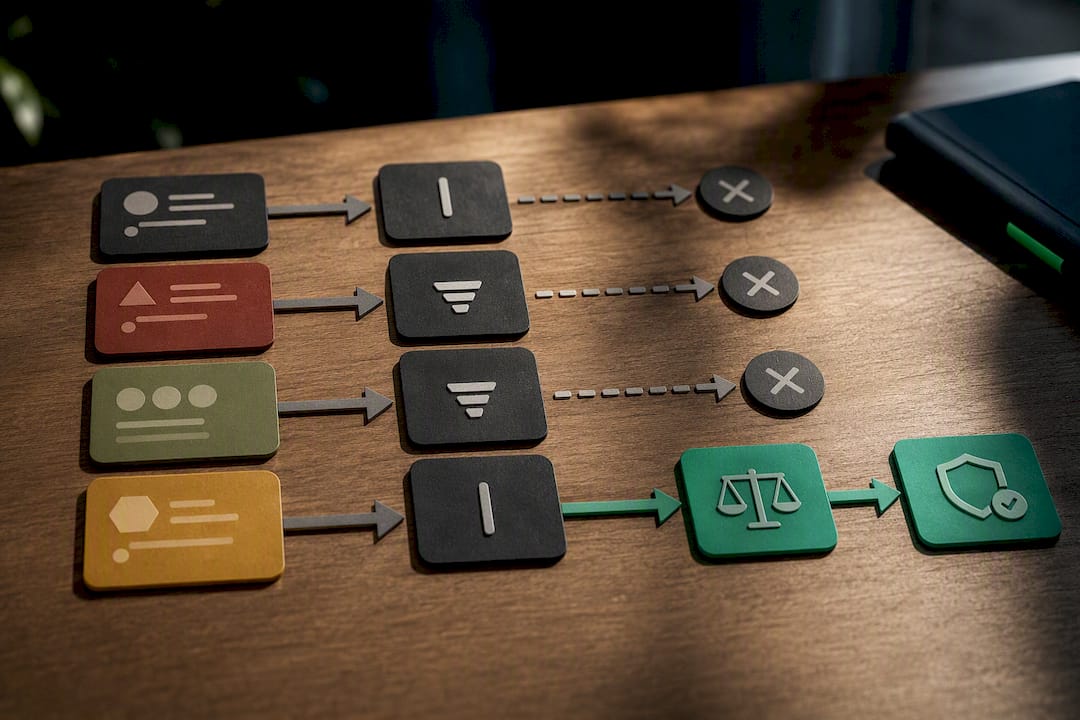
If you’ve obtained a final court order establishing that a review is defamatory, Yelp will consider it directly through its support channel, which is a meaningfully different process than a standard report. This is where attorney-led services fit. A legal team builds a customized claim for each specific review, then routes it through legal escalation channels rather than the standard consumer-report form. The billing model is structured around paying only after a confirmed removal, with no upfront fee.
Before you consider paying for legal help, run through this checklist:
- Has the review already been denied through standard reporting, despite solid evidence?
- Does the content involve threats, private information, or claims a reasonable person would call defamatory?
- Is there a documented pattern (multiple fake reviews, a known competitor, an ex-employee campaign)?
- Would a lawyer’s involvement bring new leverage, like a formal legal notice, that a standard report can’t?
Pro Tip: Attorney documentation changes the conversation with platform trust teams because it reframes the request from “I disagree” to “this creates legal exposure.” That distinction is often what moves a stalled case. Details on how this applies specifically to Yelp are covered in this breakdown of lawyer-led Yelp removal.
How Can You Prevent Future Harmful Yelp Reviews?
Most reputation damage is easier to prevent than to undo after the fact. A handful of operational habits cut down on both the volume and severity of bad reviews landing on your page.
- Claim and verify your Yelp business page. Yelp’s own guidance confirms that claimed pages with accurate hours, menus, and photos see better engagement and fewer confused or misdirected reviews.
- Keep your listing current. Outdated hours or menu items generate complaints that aren’t really about your food, they’re about mismatched expectations.
- Set up review monitoring. A tool like Repvive’s RepWatch can flag new reviews the moment they post, so you’re never blindsided by something that’s been live for a week.
- Keep an incident log. Train front-of-house and kitchen staff to note anything unusual (a complaint, a walkout, a disputed order) the same day it happens. That log becomes your evidence base if a review distorts what occurred.
- Generate reviews the right way. Ask satisfied guests to leave a review naturally. Never offer discounts or incentives tied to leaving a review; that violates Yelp’s guidelines and can backfire into a removal risk of your own.
Why Most Owners Get the Escalation Decision Wrong
Owners either escalate too early, over reviews that are just harsh but honest, or too late, sitting on a defamatory post for months while it quietly erodes bookings. The real signal isn’t how much a review stings. It’s whether the content itself crosses a documented legal line and whether Yelp’s standard process has already failed to act on solid evidence. Once both conditions are true, waiting rarely helps.
— Jason
Get Restaurant Yelp Reviews Removed Without the Legal Guesswork
This service offers a pay-on-success path instead of a flat legal retainer. The approach is attorney-led: a legal team builds a customized claim for each specific review and works it through direct channels with platform trust teams, and payment is only made after a review is removed, with no upfront cost.
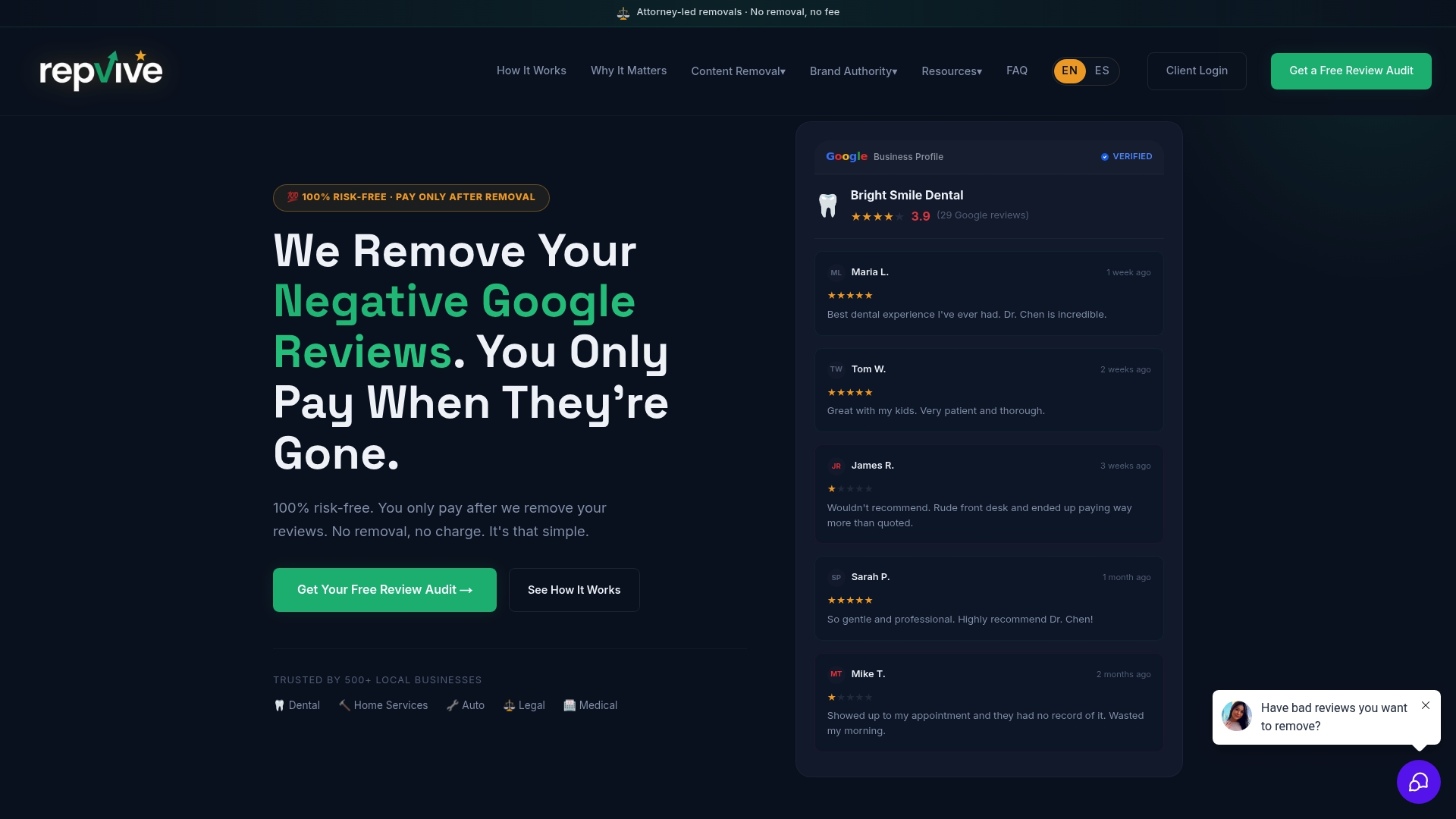
Repvive works across more than just Yelp, covering restaurant reputation issues alongside review platforms like OpenTable, so a multi-location operator dealing with attacks across several sites isn’t stuck coordinating separate vendors. If you’re ready to move forward, gather your evidence first: dated receipts, staff logs, screenshots, and anything showing a policy violation or legal harm. Then start with a look at the full list of platforms and services or head directly to the Yelp-specific removal page to see what preparing a case actually involves.
Sources
Verify Yelp’s own moderation standards and reporting criteria directly before filing.
FAQ
Can a Restaurant Owner Delete a Yelp Review Directly?
No. Only Yelp’s moderation team can remove a review, and only after confirming a specific policy violation through a reported claim.
How Long Does the Yelp Review Removal Process Take?
Yelp doesn’t publish a fixed timeline, and it varies by moderation queue volume, but confirmations arrive by email and give you a reference point for following up.
Why Does Yelp Reject Most Removal Requests?
Most rejections happen because the report cites disagreement with the content rather than a documented violation like a conflict of interest or a non-firsthand post; vague reports without linked evidence rarely succeed.
What’s the Difference Between a Removed Review and a “Not Recommended” Review?
A removed review is gone entirely, while a “not recommended” review stays accessible through a link but no longer counts toward the business’s star rating.
When Does Attorney-Led Removal Make Sense for a Restaurant?
It makes sense once standard reporting has failed on a review involving defamation, threats, or a documented fake-review pattern; services like Repvive build a legal claim and bill only after a confirmed removal.
Does Responding Publicly to a Bad Review Actually Help?
Yes. Yelp recommends a calm, factual public reply as the primary first step, since it demonstrates accountability to future readers even when the review itself can’t be removed.