How to Address an Ethics Complaint Disguised Review
An ethics complaint disguised as a review is a negative online post that uses the format of a customer review to formally allege professional misconduct...
TL;DR:
- Disguised ethics complaints are online reviews that allege misconduct using formal language and specific incident details. Addressing them requires early identification, neutral responses, and consultation with legal counsel to avoid disclosure of confidential information. Implementing a documented process and proactive review monitoring helps prevent reputational and legal risks.
An ethics complaint disguised as a review is a negative online post that uses the format of a customer review to formally allege professional misconduct, regulatory violations, or ethical breaches. Business owners and service providers face a specific risk when they treat these posts as ordinary negative feedback. Mishandling them can trigger professional discipline, regulatory scrutiny, or public reputational damage. To address an ethics complaint disguised review correctly, you need to identify it early, respond within strict legal boundaries, and follow a documented internal process. This article gives you a clear framework for doing exactly that.
How to identify an ethics complaint hidden within a review
A disguised ethics complaint differs from a standard negative review in both language and intent. Regular negative reviews focus on service quality, wait times, or pricing. A disguised complaint uses terms like “violation,” “misconduct,” “negligence,” “breach of duty,” or “unprofessional conduct” that signal a formal grievance rather than consumer dissatisfaction.

Signals that separate complaints from ordinary feedback
Watch for these specific markers in review content:
- Regulatory language: References to licensing boards, professional codes, or statutory obligations suggest the reviewer understands formal complaint channels.
- Specific incident claims: Detailed allegations tied to a named date, service, or outcome go beyond venting and resemble a formal statement of facts.
- Demands for remediation: Language requesting refunds, apologies, or corrective action mirrors the structure of a formal complaint filing.
- Confidential information references: A reviewer who mentions private case details, medical records, or contract terms may be a former client with a grievance.
Anonymous reviews require evaluation based on content and internal record matching rather than dismissal. A hidden profile does not reduce the seriousness of the allegation. Cross-reference the review’s specific claims against your internal records, appointment logs, and client files to verify whether the reviewer could plausibly be a former client or patient.
Document every suspicious review in a dedicated log. Record the date of posting, the platform, the exact text, and your initial assessment. This log becomes your evidence trail if the matter escalates to a regulatory body.
Pro Tip: Flag any review that uses the phrase “I will be reporting this” or names a specific board or licensing authority. That language signals the reviewer intends formal escalation, regardless of the platform.
What are the legal and ethical risks of responding publicly?
Responding to a disguised ethics complaint without legal guidance is one of the most dangerous moves a service provider can make. The core risk is confidentiality. Most licensed professionals operate under rules that prohibit disclosing client information, even to defend themselves publicly.
The American Bar Association recommends responses that neither confirm nor deny client representation, instead inviting private communication. That standard applies broadly across licensed professions, not only law. Healthcare providers, financial advisors, and licensed contractors all operate under analogous confidentiality obligations.
“Professional obligations limit what I can say publicly, but I take all concerns seriously and invite you to contact my office directly so we can address this properly.”
That type of response protects you legally while signaling professionalism to anyone reading the exchange. It neither confirms the reviewer’s version of events nor reveals protected information.
The financial consequences of getting this wrong are severe. A practitioner was fined $25,000 and required to complete 25 hours of continuing education after disclosing protected health information in an online response. That outcome resulted not from the review itself but from the response. Emotional and detailed public rebuttals are the leading cause of discipline cases in professional settings.
Pro Tip: Write your draft response, then have your attorney or compliance officer review it before you post anything. A 24-hour delay costs nothing. A $25,000 fine does.
Additional legal boundaries to respect:
- Never name the reviewer or confirm they were a client.
- Avoid disputing specific facts, even if you know the reviewer is wrong.
- Do not threaten legal action in a public response.
- Keep your public reply under five sentences.
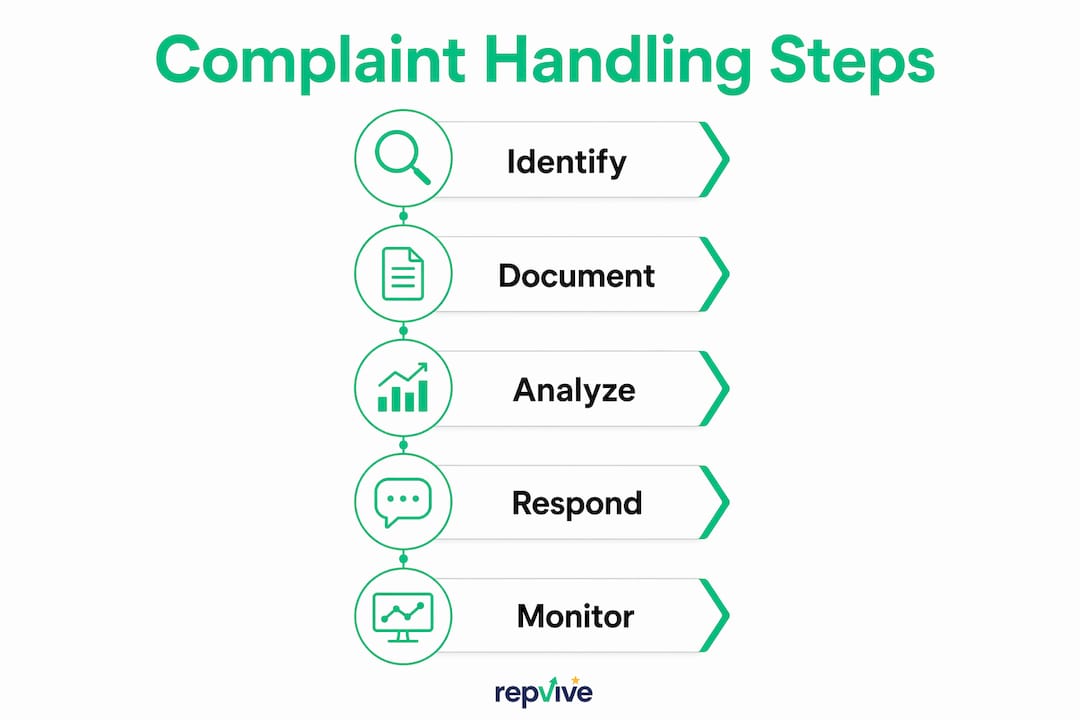
Step-by-step process for managing a disguised ethics complaint
A structured process protects you from both legal exposure and reputational harm. Follow these steps in sequence.
-
Capture and preserve the review. Screenshot the full review, including the reviewer’s profile name, star rating, date, and platform URL. Store this in your complaint log immediately.
-
Conduct an internal triage assessment. Determine whether the review contains conduct allegations, regulatory language, or confidential information references. If it does, classify it as a potential ethics complaint, not a standard review.
-
Verify the reviewer’s identity. Match review content against internal records. Check appointment dates, service records, and communication logs. You do not need to confirm identity publicly. You need to know internally whether the claim is plausible.
-
Draft a neutral public response. Use the two-tier approach: a brief public acknowledgment that invites private communication, combined with a thorough internal review. This two-tier response strategy reduces legal exposure while maintaining a professional public presence.
-
Escalate internally before going external. Notify your compliance officer, legal counsel, or professional liability insurer before contacting any regulatory body. They determine whether the matter warrants a formal response to an ethics board.
-
File with the relevant regulatory body if required. If the complaint alleges a genuine ethics violation, proactively filing a disclosure with your licensing board can demonstrate good faith. Procedural deadlines are strict. Filing outside the required time frame results in automatic dismissal.
-
Track the timeline and document every action. Record every step you take, including who you notified, what you said publicly, and when you escalated. Procedural rigor protects you if the matter reaches a formal hearing.
The table below shows how to triage a review based on content signals.
| Review signal | Classification | Recommended action |
|---|---|---|
| Mentions poor service or slow response | Standard negative review | Respond publicly with apology and resolution offer |
| Uses terms like “negligence” or “misconduct” | Potential ethics complaint | Log, verify internally, draft neutral response |
| References confidential case or client details | High-risk ethics complaint | Escalate to legal counsel before any public response |
| Names a licensing board or regulatory body | Formal complaint in progress | Notify insurer and compliance officer immediately |
| Anonymous with no verifiable details | Unverified complaint | Evaluate content, cross-check records, monitor for escalation |
Common mistakes when handling disguised ethics complaints
The most damaging errors happen in the first 48 hours. Business owners who react emotionally, respond in detail, or ignore the post entirely all create problems that are harder to fix later.
Misclassifying an ethics complaint as an ordinary grievance is a widespread issue. Dismissing it too quickly leads to procedural risk and reputational damage. The reverse error, treating every negative review as a formal complaint, wastes resources and creates unnecessary anxiety.
Avoid these specific mistakes:
- Responding with emotion. Anger, defensiveness, or sarcasm in a public reply signals unprofessionalism to potential clients and regulators alike.
- Disclosing client information. Even correcting a factual error can constitute a confidentiality breach if it reveals protected details.
- Ignoring the review entirely. Silence reads as admission to many readers. A brief, neutral acknowledgment is always better than no response.
- Filing a takedown request without internal verification. Requesting removal before confirming the review’s nature can backfire if the platform or a regulator later determines the complaint was legitimate.
- Failing to consult legal counsel. A disgruntled patient review or client complaint that touches on professional conduct requires legal input, not just a communications strategy.
Pro Tip: After resolving a complaint, request genuine reviews from satisfied clients. A steady stream of positive reviews dilutes the impact of any single negative post and signals credibility to both readers and search algorithms.
How can you prevent disguised ethics complaints from harming your reputation?
Prevention is more cost-effective than remediation. Businesses that build proactive systems catch problems before they reach public review platforms.
Build your prevention framework around these practices:
- Develop a written response policy. Define who handles reviews, what language is approved, and which situations require legal review. Train every staff member who interacts with clients on this policy.
- Document client interactions thoroughly. Detailed records of services rendered, communications sent, and agreements signed give you the evidence to verify or refute any claim quickly.
- Encourage genuine reviews from satisfied clients. A high volume of authentic positive reviews makes any single disguised complaint less visible and less damaging. Use post-service follow-up emails or SMS prompts to invite feedback.
- Monitor your review profiles regularly. Set up Google Alerts for your business name and check your profiles on Google, Yelp, and industry-specific platforms at least weekly. Early detection gives you more response options.
- Engage professional reputation management support. Knowing how to protect your business reputation online requires both technical knowledge and legal awareness. Professional services handle the complexity so you can focus on your work.
The table below compares two approaches to reputation monitoring.
| Approach | Method | Best for |
|---|---|---|
| Manual monitoring | Weekly manual checks of review platforms | Small businesses with low review volume |
| Professional management | Automated alerts plus expert review and response | Businesses with high review volume or regulated industries |
Key Takeaways
Addressing a disguised ethics complaint requires early identification, legally compliant responses, and a documented internal process to avoid professional discipline and reputational harm.
| Point | Details |
|---|---|
| Identify before responding | Look for regulatory language, conduct allegations, and confidential references before classifying a review. |
| Protect confidentiality | Never confirm client identity or dispute specific facts publicly, even when the review is factually wrong. |
| Use the two-tier response | Post a brief neutral acknowledgment publicly and conduct a thorough internal review before any escalation. |
| Follow procedural deadlines | Ethics boards dismiss complaints filed outside required time frames, so document and act promptly. |
| Prevent through documentation | Thorough client records and a written response policy reduce both the risk and impact of disguised complaints. |
The uncomfortable truth about ethics complaints in reviews
Most business owners I speak with assume that a negative review is just a frustrated customer. That assumption is the single most expensive mistake I see in reputation management. The reviews that carry the most risk are the ones that look ordinary on the surface but contain the specific language of a formal grievance.
The instinct to respond quickly and defend yourself publicly is understandable. It is also almost always wrong. The cases that end in professional discipline, fines, or board hearings rarely start with the review itself. They start with the response. A practitioner who discloses protected information in a public reply has handed the complainant exactly the evidence they need.
What actually works is the opposite of instinct. Slow down. Document everything. Get legal input before you post a single word. Then respond with a sentence or two that says nothing except that you take concerns seriously and invite private communication. That approach protects you legally and reads as professional to everyone else watching.
The businesses that handle these situations best are the ones that treat every suspicious review as an investigative event, not a personal attack. They verify claims against internal records, consult counsel, and respond within a defined policy framework. That discipline is what separates a resolved complaint from a regulatory hearing.
, Jason
Repvive’s approach to protecting your reputation from complex reviews
When a review crosses the line from ordinary feedback into potential ethics territory, the stakes are too high for a generic response strategy.
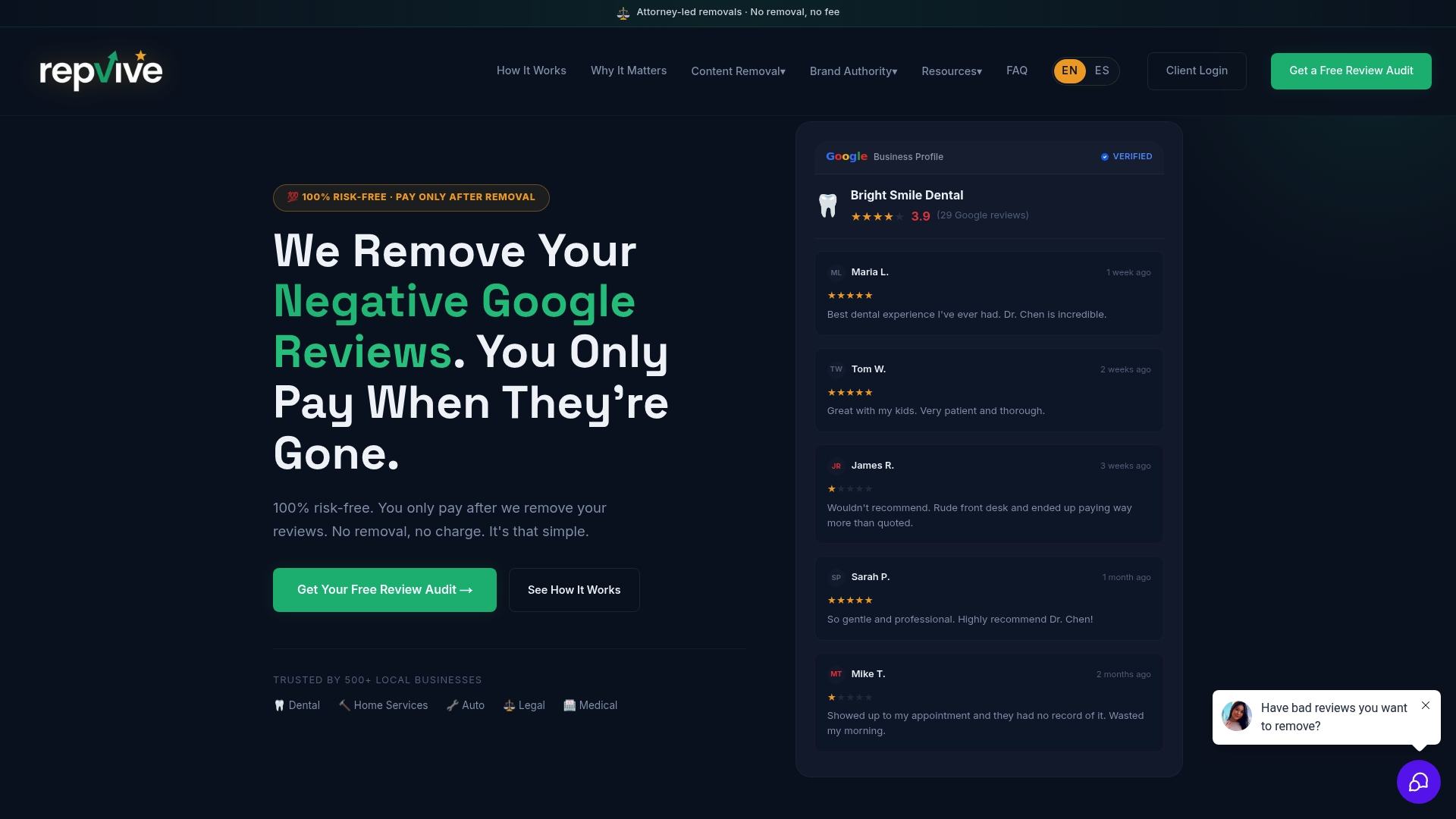
Repvive’s attorney-led review removal service is built for exactly these situations. The legal team analyzes each review individually, identifies grounds for removal under Google’s policies and applicable legal standards, and submits customized claims through direct channels. With a 99% success rate and no upfront fees, Repvive gives business owners a clear path to removing reviews that cause real harm. If you are dealing with a review that looks like a disguised complaint, explore Repvive’s services to understand your options. For immediate help with a specific review, the review removal service is the fastest starting point.
FAQ
What makes a review an ethics complaint in disguise?
A review becomes a disguised ethics complaint when it uses conduct-based language such as “negligence,” “misconduct,” or “breach of duty” rather than standard service feedback. These posts often reference specific incidents, regulatory bodies, or professional obligations.
Can I dispute the facts in a negative review publicly?
Disputing specific facts publicly risks disclosing confidential information, even when your version is accurate. The ABA-recommended approach is to neither confirm nor deny client details and invite private communication instead.
What happens if I ignore a disguised ethics complaint?
Ignoring a complaint that contains genuine misconduct allegations can result in escalation to a licensing board without your knowledge. A brief, neutral public response and internal investigation are always the safer path.
How do I handle an anonymous review that may be a complaint?
Evaluate anonymous reviews based on content and cross-reference the claims against your internal records. Do not dismiss them solely because the reviewer’s identity is hidden.
When should I request professional help removing a review?
Request professional help when a review contains conduct allegations, references confidential information, or has already been flagged by a regulatory body. Repvive’s attorney-led process is designed for high-stakes reviews where generic removal requests are unlikely to succeed.