Auto Shop Reputation Management Checklist for 2026
An auto shop reputation management checklist is a structured framework that helps shop owners systematically generate, monitor, and respond to online...
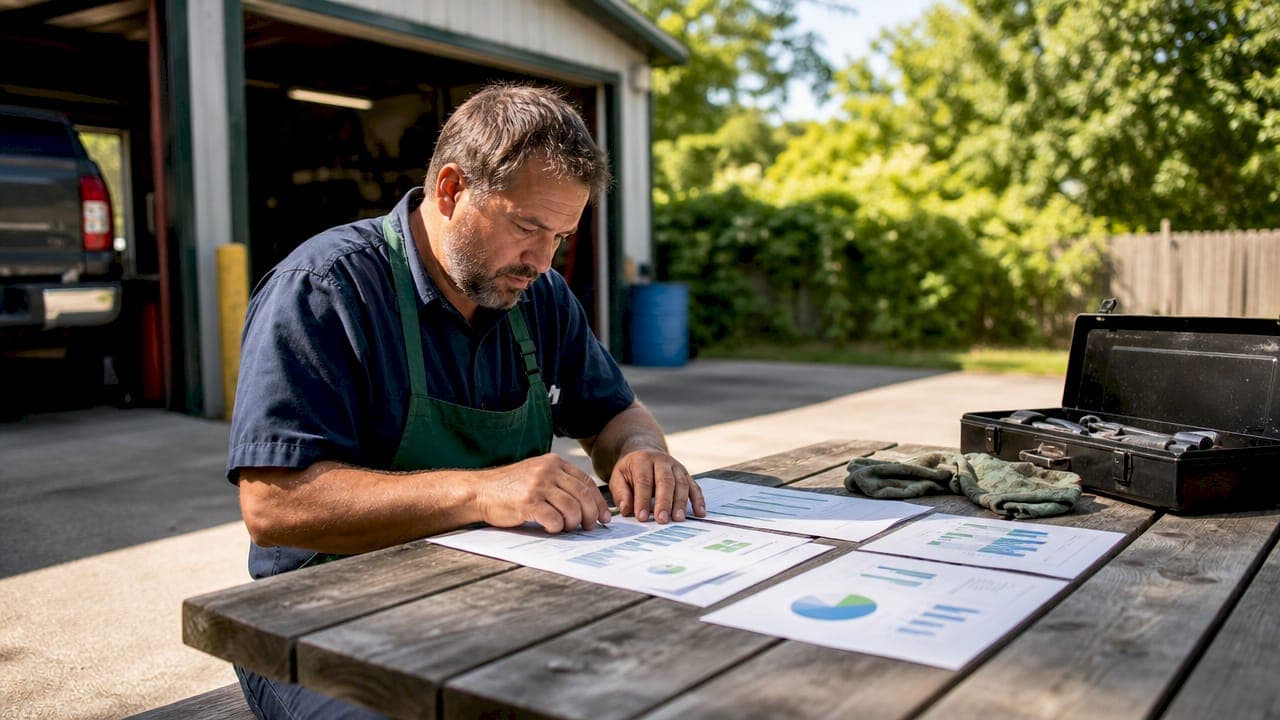
An auto shop reputation management checklist is a structured framework that helps shop owners systematically generate, monitor, and respond to online reviews to strengthen customer trust and improve local search rankings. Reputation damage for auto repair businesses is real and measurable. A single 1-star review can repel up to 30 customers, and that number compounds fast when negative feedback goes unanswered. The industry term for this systematic approach is online reputation management (ORM), and the checklist format makes it repeatable. This guide covers every step, from review collection timing to profile optimization, with specific attention to insurance-related reputation risks that most shop owners overlook.
1. The auto shop reputation management checklist: start with a reputation audit
A reputation audit is the first step in any ORM program. It means reviewing every platform where your shop appears, including Google Business Profile, Yelp, Facebook, and any automotive-specific directories, and scoring what you find.
Check for these red flags during your audit: missing or inconsistent Name, Address, and Phone (NAP) data across platforms, unanswered negative reviews older than 48 hours, a review profile with fewer than 20 total reviews, and photos that are outdated or missing entirely. Each of these is a signal to potential customers that the shop is not actively managed.

A free Google Business Profile audit gives you a baseline score before you start making changes. Without a baseline, you cannot measure whether your efforts are working.
2. Build a consistent review collection system
Consistent review collection is the single most controllable factor in your shop’s online reputation. Shops that train service advisors to ask for reviews at checkout collect 3 to 5 times more reviews than shops that leave it to chance. Volume matters because a high review count builds credibility and dilutes the impact of any single negative review.
The most effective collection tactics are:
- Ask at vehicle pickup. The moment a customer gets their keys back is a moment of relief and goodwill. That emotional state produces better reviews.
- Send an automated SMS within 2 hours post-service. SMS open rates reach 98%, compared to roughly 20% for email. That gap is too large to ignore.
- Place QR codes at the checkout counter and in the waiting area, linking directly to your Google review page.
- Run monthly campaigns targeting repeat customers who have never left a review.
- Track review velocity weekly so you can spot drops and address them quickly.
Pro Tip: Set a shop goal of at least 5 new reviews per month. Post the current count on a whiteboard in the break room. Front-line staff respond to visible progress.
3. How to respond to negative reviews without causing more damage
A defensive or emotional reply to a negative review causes more brand damage than the original complaint. The best practice is to pause, verify the facts internally, and then respond with a calm, solution-focused tone.
Use this four-part structure for every negative response:
- Thank the customer for taking the time to share feedback.
- Acknowledge the concern without admitting fault before you have verified the facts.
- Offer a private resolution by providing a direct phone number or email.
- Describe corrective action if a process issue is confirmed.
Customers value the tone and consistency of a reply more than the complaint content itself. A calm, verified response prevents escalation and demonstrates professionalism to every future reader who sees that exchange.
The 24-hour response window is the industry standard for 2026. Replies that arrive after 48 hours signal neglect, not just to the original reviewer but to every prospective customer reading the thread.
Pro Tip: Draft your response, then wait 30 minutes before posting. That cooling-off period catches emotional language you would regret.
For reviews that are clearly fraudulent or violate platform policies, the path is removal, not response. Repvive’s attorney-led Google review removal service carries a 95% success rate and requires no upfront fees.
4. Why complete and optimized online profiles drive local rankings
An incomplete Google Business Profile is one of the most common and most costly reputation mistakes an auto shop can make. Listings with over 100 photos receive 520% higher engagement than those without. That is not a marginal difference. It is the difference between a shop that appears credible and one that looks abandoned.
Profile optimization requires attention to several specific elements:
- Claim and complete your Google Business Profile to 100%, including business category, service descriptions, and hours.
- Maintain exact NAP data across Google, Yelp, Facebook, and any local directories. Even minor inconsistencies reduce local search authority.
- Upload at least 20 photos at launch, then add new photos monthly with location-relevant file names and captions.
- Post monthly updates such as seasonal service offers, safety tips, or before-and-after repair photos.
- Create local service pages on your website and embed Google Maps to reinforce geographic relevance.
Regular monthly posts and photo updates maintain freshness signals that Google’s local algorithm rewards with higher rankings.
| Profile Element | Minimum Standard | Impact |
|---|---|---|
| Photos uploaded | 20 at launch, monthly additions | 520% higher engagement |
| NAP consistency | Identical across all platforms | Protects local search authority |
| Review response rate | 100% of reviews, within 24 hours | Builds trust, signals activity |
| Monthly posts | At least 1 per month | Maintains freshness ranking signals |
| Profile completeness | 100% fields filled | Increases conversion from search |
5. How insurance relationships and repair transparency affect your reputation
Negative reviews from insurance-related repairs follow a predictable pattern. The customer expected one outcome, the insurer or repair process delivered another, and the shop absorbed the blame. Negative reviews frequently arise from unclear expectations during insurance repair work, not necessarily from poor workmanship.
The fix is communication, not just quality. Shops that explain repair procedures, parts choices, and timeline expectations upfront generate far fewer complaints. When a dispute does appear publicly, a calm and factual response that clarifies the process builds credibility with every future reader.
Key practices for insurance-related reputation protection:
- Explain the claims process to every customer before work begins, including what the insurer controls and what the shop controls.
- Provide written repair summaries at pickup so customers have documentation to reference.
- Offer digital status updates during the repair. Only 36% of auto insurance customers currently receive mobile app status updates, and poor communication raises customer attrition risk to 52%.
- Respond publicly to insurance-related complaints with factual context, not defensiveness.
Stat to know: Poor communication during insurance claims raises customer attrition risk to 52%. Proactive digital updates are the single fastest way to cut that risk.
6. Set up real-time monitoring to catch problems early
Online reputation recovery for auto businesses is far harder than prevention. A review monitoring system catches problems within hours, not weeks. The earlier you see a negative review, the more options you have: respond, report, or request removal before the review accumulates views.
Real-time review monitoring across 20 or more platforms gives you a complete picture of what customers are saying, not just on Google but on Yelp, Facebook, and automotive forums. Set up alerts so you receive a notification the moment a new review posts. Assign one person on your team to own the daily review check. Without clear ownership, reviews fall through the cracks.
Track review sentiment monthly, not just star ratings. A shop can maintain a 4.2-star average while its most recent 10 reviews trend negative. That trend is what prospective customers actually read.
7. Train your team to protect the shop’s reputation from the inside
Reputation management is not a solo task for the owner. Every service advisor, technician, and front-desk employee contributes to or detracts from the shop’s public image. Online reputation management extends beyond reviews to include service experience and internal feedback loops, both of which drive repeated improvements.
Run a short monthly team meeting focused on reputation. Share the current review score, highlight a positive review, and discuss one recent complaint and how it was handled. This keeps the entire team aligned and makes reputation a shared responsibility rather than an afterthought.
Create a written response guide with approved language for the most common complaint types: wait times, pricing disputes, and insurance-related misunderstandings. When advisors have a script, responses stay consistent and professional regardless of who is on duty.
Key takeaways
A complete auto shop ORM program requires consistent review collection, professional response protocols, and fully optimized online profiles working together as a system.
| Point | Details |
|---|---|
| Audit first | Run a reputation audit before making changes to establish a clear baseline. |
| SMS beats email | Automated SMS requests within 2 hours post-service achieve a 98% open rate. |
| Respond within 24 hours | Timely, calm responses reduce reputation damage and signal professionalism to future readers. |
| Photos drive engagement | Listings with 100+ photos receive 520% higher engagement than those without. |
| Insurance transparency prevents reviews | Proactive communication during claims cuts attrition risk and reduces complaint volume. |
What I’ve learned building reputation systems for auto shops
Most shop owners treat reputation management as a reaction, not a system. They respond to a bad review, feel relieved, and move on until the next one appears. That approach keeps you permanently behind.
The shops I’ve seen grow their ratings fastest share one habit: they treat reputation like a production schedule. Review requests go out on a fixed cadence. Responses follow a written protocol. Profile updates happen on the first Monday of every month. Nothing is left to memory or mood.
The second thing I’ve noticed is that internal communication matters as much as external response. When the front desk and the technicians are not aligned on what was promised to a customer, that gap shows up in reviews. The fix is not a better response template. The fix is a pre-delivery checklist that confirms expectations before the customer walks in to pick up their vehicle.
Automation handles the volume. Tools like RepBoost take the friction out of review requests so advisors do not have to remember to ask. But automation does not replace judgment. The human response to a frustrated customer, written with empathy and verified facts, is still the most powerful reputation tool available to any shop.
, Jason
Repvive’s reputation services for auto shops
Protecting your shop’s reputation requires more than good intentions. Repvive’s attorney-led approach removes fake and unfair Google reviews with a 99% success rate and no upfront fees, giving you a clean foundation to build on.
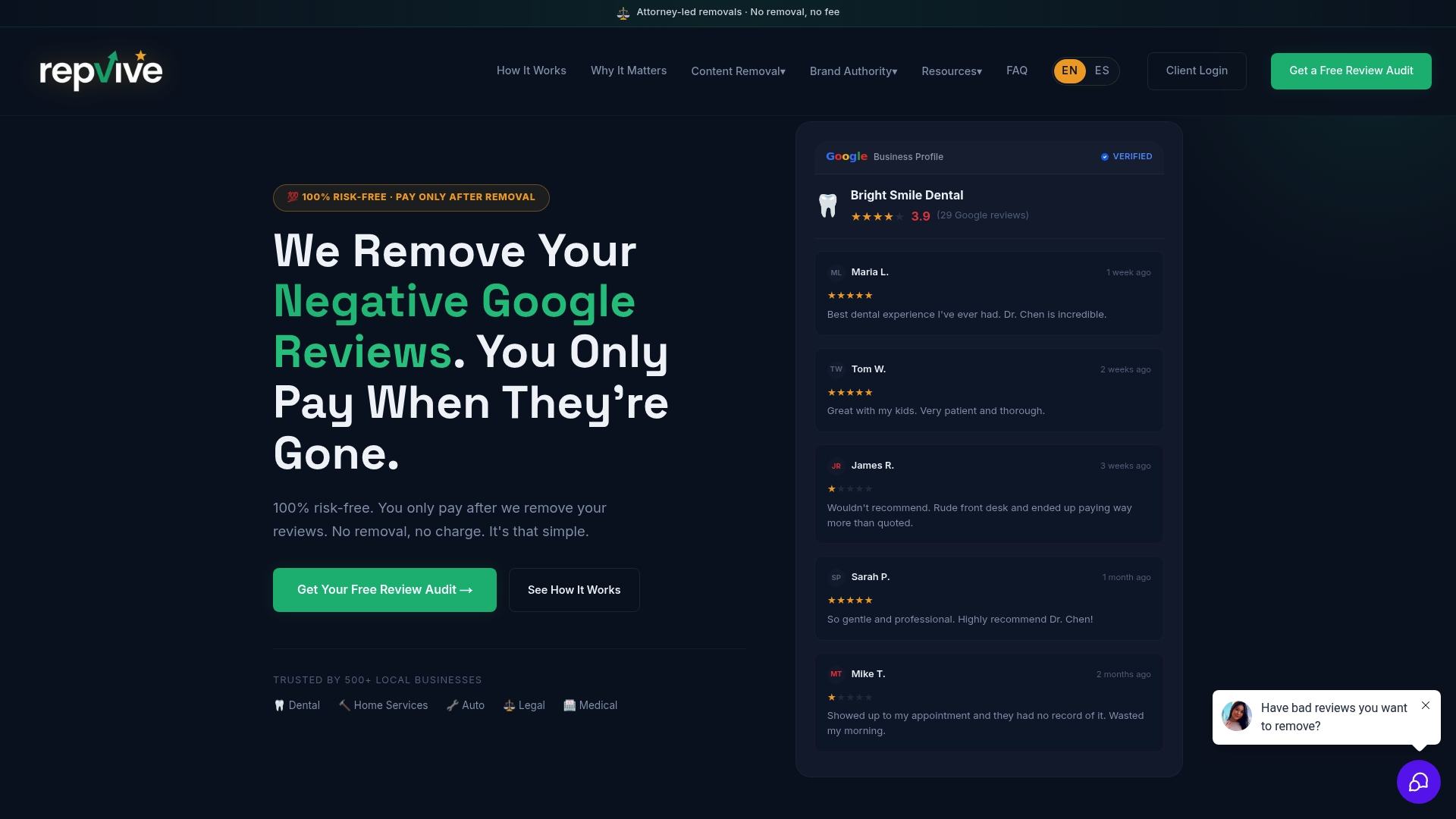
Repvive also provides automated review collection, real-time monitoring across major platforms, and professional response assistance so your team is never caught off guard. Whether you need to recover from a wave of fraudulent reviews or build a proactive system from scratch, Repvive’s full reputation services are built specifically for local businesses like yours. Request a free audit and see exactly where your shop stands today.
FAQ
What is a reputation audit for auto shops?
A reputation audit is a systematic review of every platform where your shop appears, checking for NAP inconsistencies, unanswered reviews, and profile gaps that reduce local search visibility.
How does auto repair reputation affect insurance work?
Poor communication during insurance-related repairs is a leading cause of negative reviews. Only 36% of customers receive digital status updates during claims, and poor experiences raise attrition risk to 52%.
What are the biggest online reputation red flags for auto shops?
The most damaging red flags are unanswered negative reviews, fewer than 20 total reviews, inconsistent NAP data across platforms, and a Google Business Profile with few or no photos.
How quickly should an auto shop respond to a negative review?
The industry standard is within 24 hours. Responses that arrive after 48 hours signal neglect and increase the chance that the original complaint shapes a prospective customer’s decision.
What is online reputation recovery for auto businesses?
Online reputation recovery is the process of rebuilding a shop’s public image after reputation damage, typically through removing fraudulent reviews, generating new positive reviews, and improving response practices across all platforms.